How to Build a Sales Process (6 Easy Steps)

If you’re running an agency or starting a software company, building a sales process can feel like a mountain you’re not ready to climb. You might think you need a massive, complex system with a million bells and whistles, but honestly? That’s usually where things break.
The best sales process is the one you and your team will actually use.
Here is a simple, no-nonsense guide to building a sales process that focuses on what matters: starting conversations and closing deals.
1. Pick a Tool That Does the Heavy Lifting
First things first: you need a home for your leads.
While big names like HubSpot are great for massive reporting, they can be overkill when you’re starting out. I recommend using an all-in-one tool like LeadLoft or Apollo io.
Why? Because they’re result-oriented. They don’t just store data; they can actually help you find emails and find phone numbers for your ideal prospects so you can automate outreach to book meetings.
2. Build a "Past-Tense" Pipeline
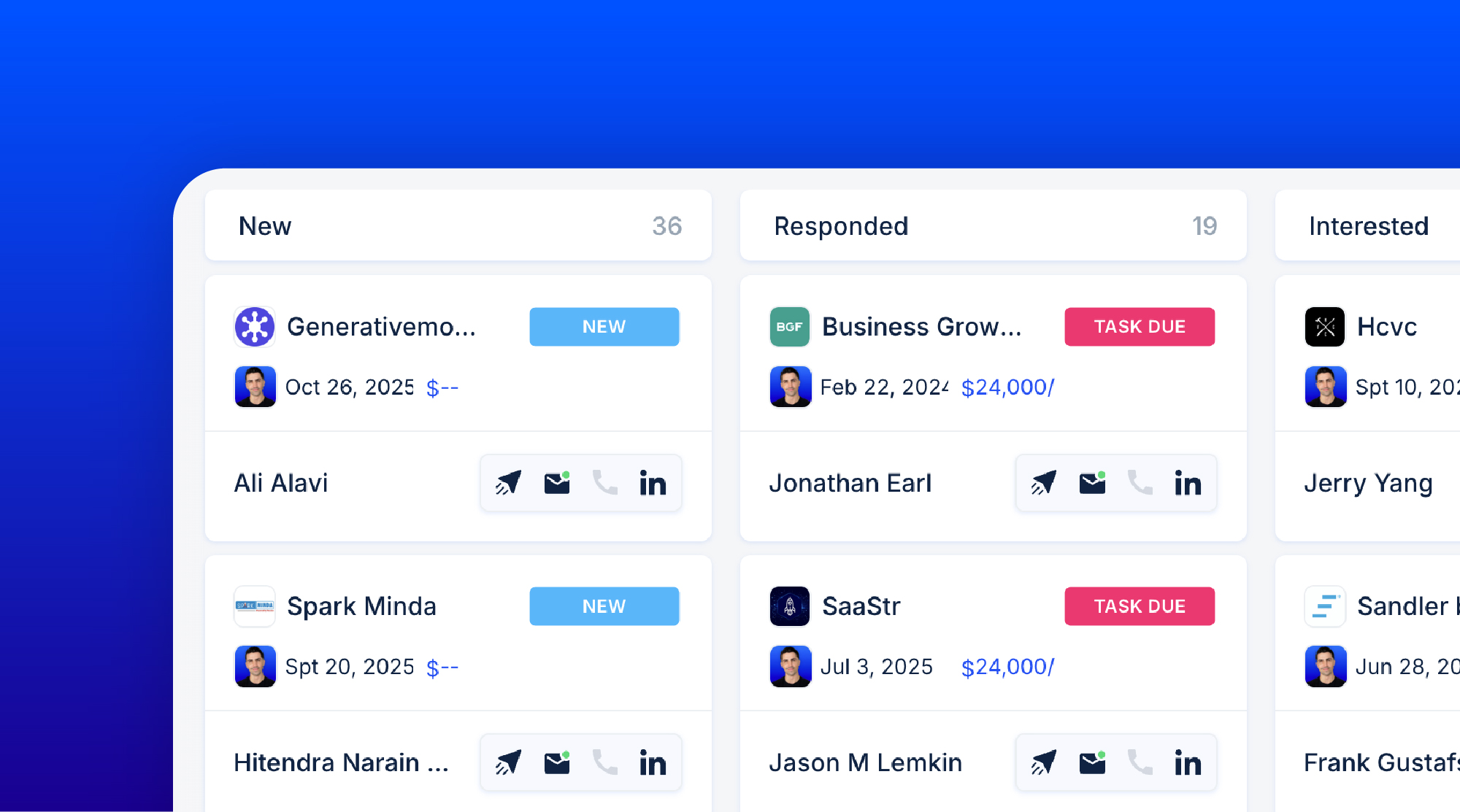
Your pipeline is the heart of your sales process. When you’re setting up your stages, here is a pro tip: Make every stage a definitive action that has already happened.
Avoid vague labels like "Proposal Pending." If it’s vague, your team won’t know exactly what to do. Instead, use stages that describe a completed action:
- New: Lead has been created or imported into the system.
- Responded: Lead has replied to an initial outreach attempt.
- Interested: Lead has confirmed interest in the product or service.
- Proposal Sent: A formal proposal has been delivered to the lead.
- Customer: Contract has been signed or payment has been received.
- Not Ready Yet: Lead has indicated they are not ready to move forward at this time.
Using "past-tense" labels makes it crystal clear where every lead stands.
3. Automate Your Follow-Ups
The biggest reason deals die is because someone forgot to send a follow-up email. You can fix this by setting "Follow-Up" triggers.
In your CRM, set a rule: If there’s no communication for 7 to 10 days, automatically mark the lead for follow-up. This keeps your dashboard clean and ensures no one falls through the cracks. If you want to scale this, you can even use LinkedIn automation and email automation to keep those touchpoints happening across different platforms without the manual grind.
4. Create "Quick Views" for Your Team
You want your team to be able to log in and know exactly what to do within five seconds. You can do this by setting up Saved Quick Views.
Create a filter where the Status = Follow Up and the Owner = Me. When your team views this, they’ll see exactly who they need to chase. To make sure their effort isn't wasted on dead emails, this is also a great stage to run email verification to ensure your deliverability stays high.
5. Things to Keep an Eye On
Building the process is only half the battle. To actually get better over time, your team should focus on a few key habits:
- Track Your Stats: Keep an eye on your outreach volume and performance. If your open rates are high but your reply rates are low, you know you need to work on your messaging.
- Record Your Team’s Sales Calls: If your CRM allows it, record your calls. Reviewing these is the fastest way to see where prospects are getting confused or where your pitch is losing steam.
- Maintain CRM Hygiene: A CRM is only useful if the data is accurate. Make sure your team is moving leads to the correct stages and archiving dead deals so the "Follow-Up" list stays relevant.
6. Master the Daily Routine
A great sales process is only as good as the habit behind it. Here is the simple daily workflow you and your team should follow:
- Check the Inbox: Respond to any new messages first. If a message doesn't need a reply, archive it and move on.
- Check the Follow-Up View: Look at your "Follow-Up" list.
- Engage: For high-ticket deals, go one by one with a personal touch. For older leads or lower-volume deals, you can automate outreach by dropping them into an automated playbook.
Keep it Simple, Close More Deals
At the end of the day, sales is about hygiene. Keep your pipeline updated, move people to "Customer" when they pay, and, most importantly, don't let the process get in the way of the conversation.
Complexity is the enemy of execution. Keep it simple and go close some deals!
